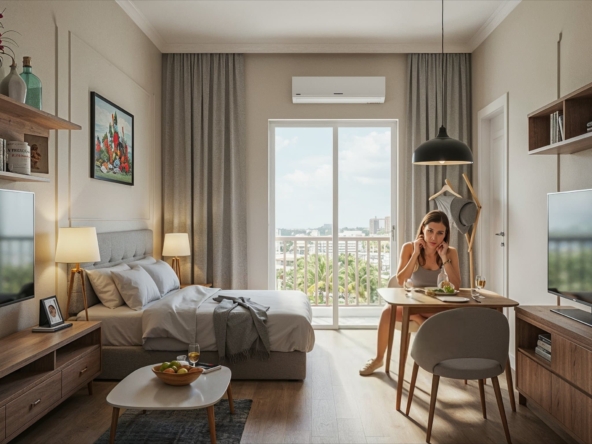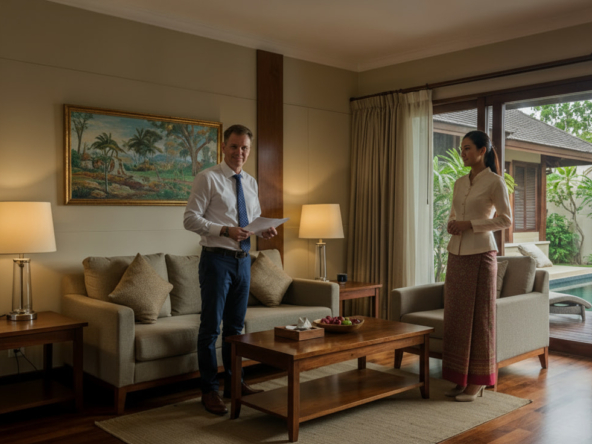
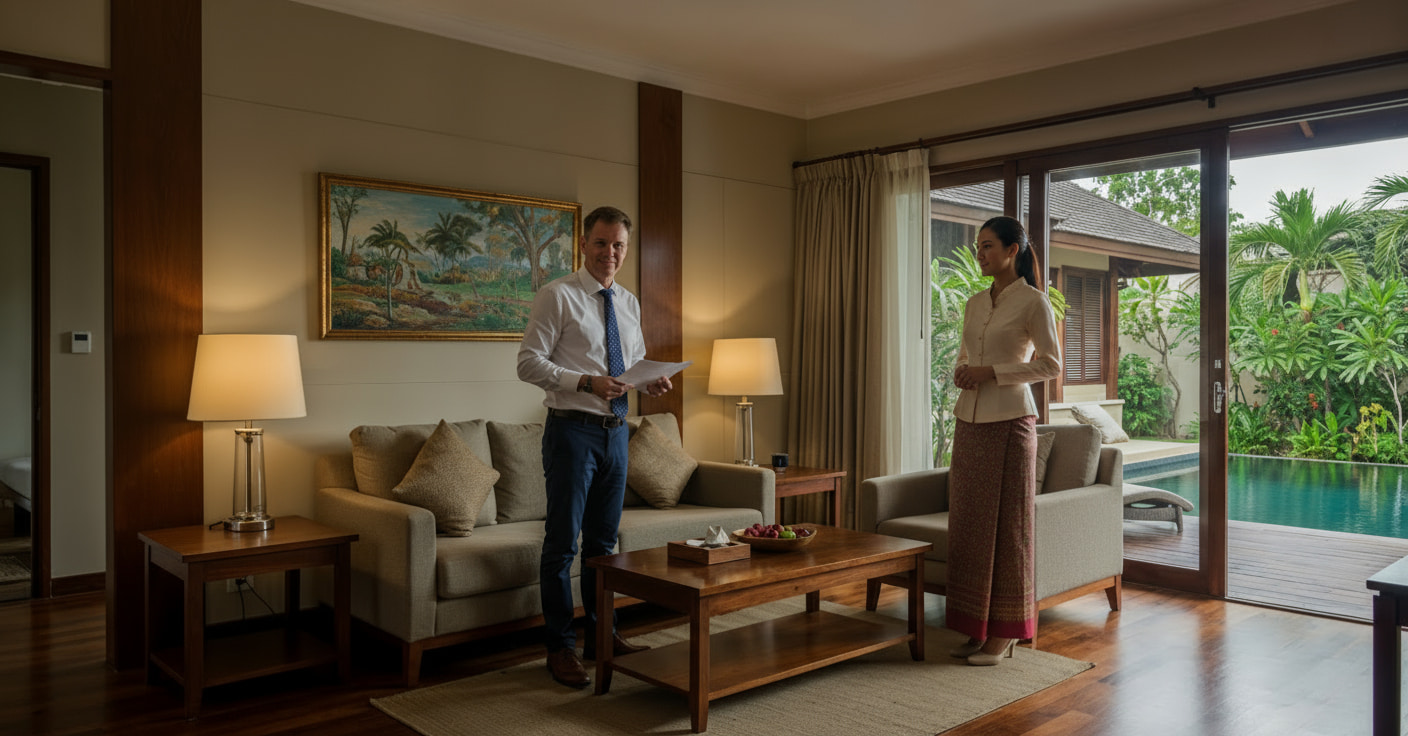
Renting a house in Pattaya means securing a long- or medium-term home in one of Thailand’s most international, beachside cities, with options ranging from modest townhouses to pool villas. Prices start around $200 per month for basic studios and scale up significantly for larger homes near the beach; demand has pushed average rents upward since mid-2024, and investors have targeted 5–8% rental yields as of late 2025. In this guide, you’ll get a quick market snapshot, learn what drives pricing, and compare the best neighborhoods (including Jomtien Beach and Pratumnak Hill) to decide where to live.
What to Know About Pattaya’s Rental Market
Pattaya’s rental market is competitive but diverse, and foreigners can rent legally with a valid passport; a work permit or long-stay visa can help with utilities and services but isn’t mandatory for most leases. Rents tend to rise with proximity to the beach, to nightlife, and to tourist hotspots, and market demand has kept prices trending upward since mid-2024.
Key facts at a glance:
- Entry-level rentals: Studios/apartments from roughly $200/month inland; houses cost more as size and location improve.
- Trend: Rents have been climbing since June 2024 due to strong demand from tourists and expats.
- Investor context: Gross rental yields around 5–8% have been reported in late 2025 in attractive areas.
- Legal basics: You’ll need a valid passport; landlords commonly handle TM30 reporting, while some services (banking, certain ISPs) may require a visa or work permit.
Why this matters:
The same 3-bedroom house can cost 2–3x more if it’s a short walk to Jomtien Beach or offers sea views in Pratumnak Hill. Conversely, moving just a few kilometers inland can reduce your budget substantially.
Pricing 101: What Drives Rent in Pattaya
The main price drivers are location, property type and size, facilities, lease length, and market demand. Homes closer to the beach, in upscale enclaves, or with premium amenities command higher rents; longer leases and inland locations typically reduce costs.
Core factors influencing price
- Location (High impact): Beachfront or sea-view areas (Jomtien Beach, Pratumnak Hill, Wongamat) carry premiums; inland/“East Pattaya” offers better value.
- Property type and size (High): Detached houses and pool villas rent for more than townhouses; extra bedrooms and land increase price.
- Facilities and condition (Medium–High): Private pools, estate security, gyms, and renovated interiors add to rent.
- Lease duration (Medium): 12-month contracts often get better monthly pricing than short-term stays.
- Market demand and seasonality (Medium): High season and spikes in tourism/remote-worker arrivals can reduce negotiating power.
Sample price bands and expectations
- Studios/1-bed apartments: From ~$200/month inland; +30–100% near beach or in newer buildings.
- 2–3 bed townhouses/houses (value areas inland): Commonly from ~$500–800+ depending on condition and access.
- 2–3 bed houses near the beach (Jomtien/Pratumnak fringes): Often from ~$700–1,200+ for standard homes.
- Pool villas/sea views (prime areas): Frequently $1,500+ and rising with size, view, and finishes.
While new or renovated houses in prime coastal pockets can push well above these figures, older stock and inland neighborhoods keep Pattaya broadly affordable compared with other global expat destinations.
Where to Rent: Best Neighborhoods in Pattaya
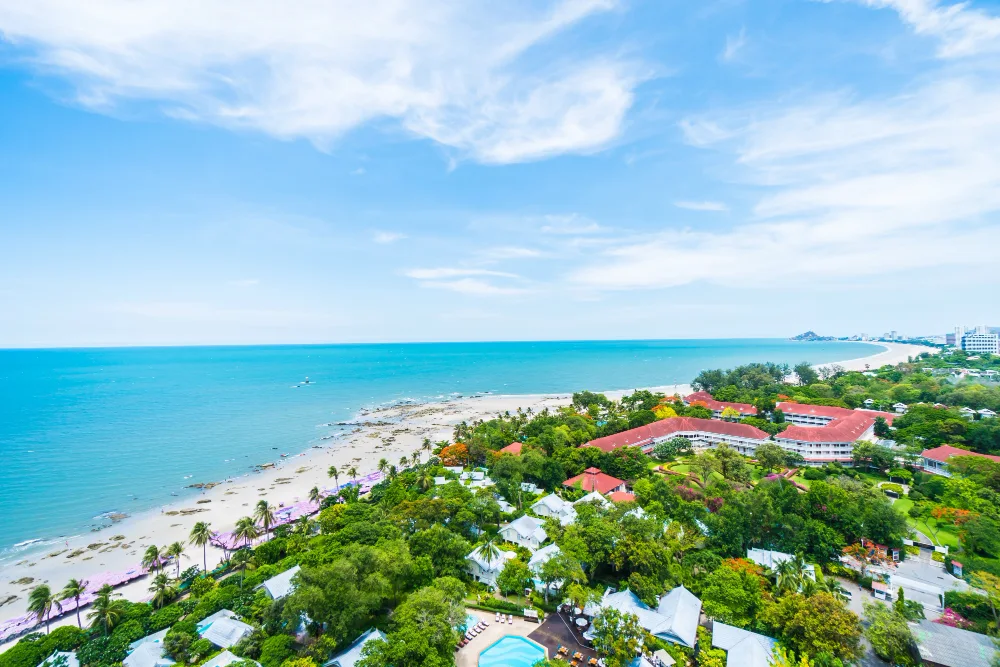
The best neighborhoods for renting a house in Pattaya include Jomtien Beach and Pratumnak Hill for quieter, scenic living; Central Pattaya for proximity to amenities; Naklua/Wongamat for upscale beach pockets; and East Pattaya (plus Huay Yai/Map Phrachan) for larger homes and better value.
Jomtien Beach
- Pros: Quieter than central Pattaya, long beachfront, family-friendly, good value relative to beachfront alternatives.
- Cons: Peak-hour traffic can lengthen commutes to central areas; beach-adjacent homes cost more.
- Best for: Families and long-stay expats wanting balance between beach access and calm.
- Price notes: Small units from ~$200 inland; houses near the beach rise substantially with land size and amenities.
Pratumnak Hill
- Pros: Leafy, hilly peninsula between Pattaya and Jomtien with scenic vantage points and upscale enclaves.
- Cons: Sea-view premiums; fewer large supermarkets immediately on the hill.
- Best for: Professionals, couples, and those prioritizing quieter, scenic living close to both city and beach.
- Price notes: Standard houses cost more than in inland areas; pool villas and views command significant premiums.
Central Pattaya (Pattaya Klang/Buakhao vicinity)
- Pros: Walkable to shopping, dining, nightlife, and transport; extremely convenient.
- Cons: Noise, congestion, smaller plots, and limited standalone house choices in core zones.
- Best for: Tenants who want to be in the center and don’t mind urban bustle.
- Price notes: Houses are less common; when available, expect higher cost per square meter than inland.
Naklua/Wongamat
- Pros: Quieter beaches and a more upscale ambiance; popular with families and long-stay expats.
- Cons: Fewer standalone houses right by the beach; prices trend higher for coastal access.
- Best for: Beach lovers who prefer tranquility over nightlife.
- Price notes: Limited house supply near the coast pushes prices up; inland pockets offer somewhat better value.
East Pattaya, Huay Yai, Map Phrachan
- Pros: Larger houses and gardens, better value per square meter, good access to international schools and bypass roads.
- Cons: Requires a car or motorbike; farther to the beach and central nightlife.
- Best for: Families, remote workers, and tenants needing space, parking, and quiet.
- Price notes: Good selection of 2–4 bedroom houses and pool villas at more moderate prices than coastal hotspots.
Na Jomtien and Bang Saray
- Pros: Emerging coastal suburbs with a laid-back atmosphere and growing dining/beach club scene.
- Cons: Longer commute to central Pattaya; limited big-box retail compared with the city.
- Best for: Long-stay renters seeking a slower pace and scenic coastline.
- Price notes: Houses span from mid-range to premium, with beach proximity and new-build estates raising rents.
| Neighborhood | Vibe/Atmosphere | Commute to Central Pattaya | Price Range | Property Types |
| Jomtien Beach | Beachy, calmer | 10–25 min (traffic-sensitive) | Medium–High | Townhouses, 2–4 bed houses, some pool villas |
| Pratumnak Hill | Leafy, scenic, upscale pockets | 5–15 min | High | 2–4 bed homes, premium pool villas, sea views |
| Central Pattaya | Urban, convenient, lively | 0–10 min (walk/short drive) | Medium–High per sqm | Limited houses, more townhomes/low-rise options |
| Naklua/Wongamat | Quiet, upscale coastal | 10–20 min | High | Limited standalone houses near coast; more options slightly inland |
| East Pattaya/Huay Yai/Map Phrachan | Residential, spacious, value | 15–30+ min | Low–Medium | 2–5 bed houses, pool villas, larger plots |
| Na Jomtien/Bang Saray | Relaxed coastal suburbs | 25–45+ min | Medium–High (beachside) | New estates, family houses, select villas |
How to choose among them
- If you want beach access with relative calm: Start with Jomtien Beach or Wongamat.
- If you want scenic, central-but-quiet living: Consider Pratumnak Hill.
- If convenience beats space: Look in Central Pattaya fringe areas for townhouses.
- If you need space and value: Prioritize East Pattaya, Huay Yai, or Map Phrachan.
- If you prefer a slow-paced coastal lifestyle: Explore Na Jomtien and Bang Saray.
Budgeting and Total Cost of Living for a Rental House
The total cost of renting a house in Pattaya includes upfront deposits, monthly rent, and ongoing utilities and services. Expect to pay the first month’s rent plus a 1–2 month security deposit, with monthly running costs varying by usage and property type.
Upfront costs
- Security deposit: Commonly 1–2 months’ rent (refundable if no damage and bills are settled).
- First month’s rent: Due on signing or at key handover.
- Setup fees: Possible installation charges for internet, and small deposits for utilities (varies by provider).
- Agent fees: For annual leases, the landlord typically pays the agent’s commission.
Monthly costs (estimates; verify locally)
- Rent: Varies by area and property type (coastal premiums vs inland value).
- Electricity: Billed by the Provincial Electricity Authority (PEA). High for heavy AC and pool pumps; photograph meter readings monthly.
- Water: Billed by the Provincial Waterworks Authority (PWA) or estate; relatively low compared with electricity.
- Internet: Fiber plans widely available; ask about 12-month contract terms and relocation policies.
- Trash/community fees: Some moo baans (gated estates) charge modest monthly fees.
- Pool/garden: If your house includes a pool or garden, budget for maintenance (weekly/biweekly services).
| Category | Solo Renter (Inland Townhouse) | Family (Jomtien 3-Bed House) | Pool Villa (Pratumnak) |
| Rent | $500–700 | $800–1,200 | $1,500–2,500+ |
| Electricity | $40–80 | $80–180 | $120–300+ |
| Water | $5–15 | $8–20 | $10–25 |
| Internet | $15–25 | $20–30 | $20–30 |
| Pool/Garden | – | $50–120 (if applicable) | $80–150 |
| Total | ~$560–820 | ~$958–1,550 | ~$1,730–3,005+ |
Legal Requirements and Lease Agreements in Thailand
Foreigners can legally rent homes in Thailand with a valid passport, and while a work permit or long-stay visa can help with some services, these are not strictly required to sign a residential lease. The most important legal elements are a clear written lease, documented payments, and proper address reporting.
Documents you’ll typically need
- Passport (photo page) and valid visa stamp.
- Thai contact information (phone, email).
- Proof of funds or employment may be requested by some landlords.
- For utility setups, some providers may ask for additional documents or a Thai contact.
Standard lease terms to expect
- Duration: 12 months is the norm; shorter terms sometimes possible at a higher monthly rate.
- Deposits: 1–2 months, refundable subject to condition and bill clearance.
- Notice periods: Commonly 30 days; verify start/end dates and renewal options.
- Condition report: An inventory and photo log at move-in protects both parties.
- Early termination: Clarify penalties and acceptable reasons (e.g., job relocation).
Receipts, registration, and compliance
- TM30 address reporting: Landlords or property managers must report foreign tenants’ address to Immigration after move-in; request confirmation.
- Ownership verification: Ask for a copy of the landlord’s ID and property title deed (Chanote) or a signed authorization if a representative/company is involved.
- Receipts: Pay by traceable methods (bank transfer) and keep signed receipts.
Red flags to avoid
- Cash-only payments without receipts.
- Vague utility rates or “flat” charges without meter readings.
- Unclear maintenance responsibilities or prohibitions (pets, subletting, renovations).
Step-by-Step: How to Rent a House in Pattaya

The rental process involves defining your needs, searching and viewing, negotiating terms, signing with documentation, and completing move-in and registrations.
1. Define Requirements and Budget
Begin by clearly defining your essential requirements including the number of bedrooms needed, parking availability, pet policies, pool access, commute considerations, proximity to schools, and beach accessibility. Establish a comprehensive all-in monthly budget that accounts for not only the base rent but also utilities, maintenance services, and any additional fees to ensure financial planning covers all potential expenses.
2. Search and Shortlist
Utilize reputable local real estate agents and verified online property portals to conduct your property search. Carefully prioritize and create a shortlist of 6-10 listings that specifically meet your non-negotiable requirements and preferences, ensuring each option aligns with your established criteria and budget constraints.
3. View and Inspect Properties
During property viewings, conduct thorough inspections checking water pressure functionality, assessing the age and noise levels of air conditioning units, examining appliance conditions, looking for signs of pest infestations, verifying mobile and fiber internet coverage availability, evaluating parking facilities, and testing noise levels during both daytime and nighttime hours. Crucially, confirm that electricity and water billing occurs directly through official PEA/PWA meters rather than marked-up estate rates that could significantly increase your monthly expenses.
4. Make an Offer and Negotiate
Engage in negotiations discussing the rental rate, security deposit amount, responsibility for minor repairs, and inclusions such as internet service or pool maintenance costs. Consider that committing to longer lease terms can often justify requesting small rent reductions, providing leverage during the negotiation process.
5. Sign and Document the Agreement
Carefully review the entire lease agreement ensuring every verbal promise and agreement is explicitly documented in writing. Exchange copies of identification documents and property title proof, make all payments through secure bank transfers rather than cash, and insist on receiving official receipts for every transaction to maintain proper financial records.
6. Conduct Move-in Inspection
Perform a comprehensive walkthrough with the landlord or agent present, systematically documenting the condition of each room through photographs and videos. Confirm accurate meter readings for all utilities and complete a detailed inventory checklist to establish the property’s condition at move-in, protecting against future disputes.
7. Set Up Utilities and Address Reporting
Arrange internet service installation and confirm the proper transfer of electricity and water bills into your name if applicable under the rental agreement. Ensure the landlord or property management files the mandatory TM30 address report with immigration authorities and retain a copy or acknowledgment of this filing for your records, as this is a legal requirement for foreigners residing in Thailand.
Working With Agents and Landlords

Reputable local agents can save time, reduce miscommunication, and secure better terms; in Thailand, the landlord typically pays the agent’s commission for annual leases. Choose professionals with strong area expertise and transparent practices.
Why use a local agent
- Market insight: Up-to-date pricing by micro-neighborhood.
- Language and cultural bridge: Clear communication and expectation setting.
- Negotiation: Packaging repairs, inclusions, and lease clauses to protect you.
- Aftercare: Coordinating repairs and resolving early tenancy issues.
What to ask before you engage an agent
- Are you representing me, the landlord, or both in this deal?
- Is your service exclusive, and who pays your commission?
- What aftercare do you provide post-move-in?
- Can you verify ownership and help obtain copies of the Chanote/ID?
- How do you screen for fair utility billing and HOA rules?
Landlord due diligence
- Request proof of ownership and ID; if a company owns the property, ask for authorization documents.
- Clarify maintenance responsibilities, response times, and contact method in emergencies.
- Agree on how and when rent is paid and how receipts are issued.
Partner with Pattaya Prestige Properties
- Our local team specializes in house rentals across Jomtien, Pratumnak, East Pattaya, and coastal suburbs.
- We provide curated shortlists, bilingual negotiation, ownership verification, and move-in checklists.
- Contact Pattaya Prestige Properties to discuss your needs and schedule viewings via our website, email, LINE, or WhatsApp.
Utilities, Maintenance, and Settling In
Setting up electricity, water, and internet, and clarifying maintenance responsibilities before move-in, ensures a smooth start to your tenancy.
Electricity and water
- Electricity: Billed via PEA with rates based on usage; confirm you’ll be billed by meter and see the current rate schedule.
- Water: Supplied by PWA or estate; charges are typically low but vary by usage and estate policy.
- Tip: Photograph meter readings at move-in and keep monthly bills for your records.
Internet and TV
- Major ISPs include True Online, AIS Fibre, and 3BB; fiber is widely available in most residential areas.
- Typical contracts are 12 months; ask about relocation options if you move.
- Test speeds at the property and confirm router placement and cabling.
Maintenance and repairs
- Landlord usually handles structural issues, major appliances, and roof/plumbing faults.
- Tenants typically cover minor wear-and-tear and consumables.
- Ensure response times and approval processes are written into the lease.
Home safety and insurance
- Consider renters’ insurance for contents and liability; several Thai insurers offer affordable annual plans.
- Basic safety checks: Door/window locks, outdoor lighting, smoke detectors, and surge protectors for electronics.
Common Pitfalls and How to Avoid Them
Most rental issues arise from unclear leases, inadequate move-in documentation, and utility misunderstandings. Avoid problems by insisting on clarity up front.
Pitfalls to watch for
- Verbal-only agreements and missing receipts.
- Marked-up utility rates or “flat” charges without meter readings.
- Hidden HOA rules on pets, parking, short-term guests, or renovations.
- Early termination penalties that aren’t clearly spelled out.
- Unreported address (TM30) leading to immigration inconveniences later.
Prevention tips
- Put every promise in writing and initial each page of the lease and inventory.
- Photograph meter readings and property condition at key handover.
- Ask for HOA rules in writing; clarify pet policy and deposits.
- Confirm who files TM30 and request confirmation.
- Use traceable payments and keep organized digital records.
Cultural Insights and Negotiation Tips
Polite, patient negotiation and respect for “saving face” lead to better outcomes with Thai landlords and managers. Aim for collaborative solutions rather than hardline demands.
- Bundle requests: Propose a slightly lower rent in exchange for a 12-month term and agreed fixes (e.g., AC service, repaint).
- Time your ask: Discuss improvements as part of the initial offer, not after signing.
- Use your agent: Let them present requests tactfully in Thai to maintain goodwill.
- Be flexible: If rent reduction isn’t possible, ask for inclusions (internet, gardening, extra furniture).
Conclusion and Next Steps
Finding houses for rent in Pattaya is straightforward when you pick the right neighborhood, set a realistic budget, secure a clear written lease, and confirm utilities and responsibilities up front. Start by shortlisting two or three areas that fit your lifestyle, define your “must-haves,” and prepare your documents so you can act quickly on a good listing.
For personalized help, contact Pattaya Prestige Properties. Our on-the-ground team will curate options that match your budget and lifestyle, verify ownership, negotiate fair terms, and guide you from viewing to move-in. Reach out via our website, email, LINE, or WhatsApp to schedule viewings and get expert support at every step.