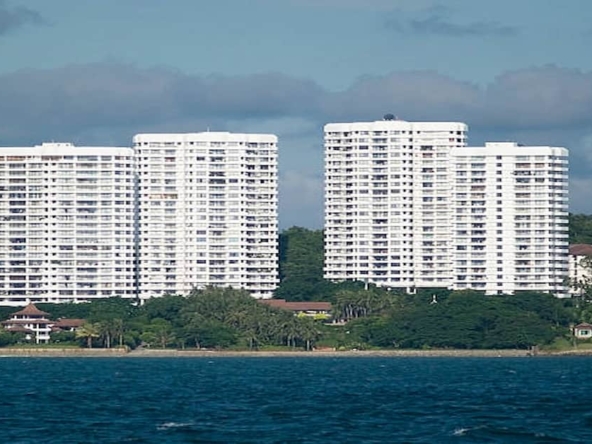

Pet-friendly condos for rent in Pattaya are units where both the landlord and the condominium management permit a tenant to keep an animal. These properties are available across Pattaya, but they are less common than standard rentals and may come with restrictions concerning pet size, breed, number, behavior, and access to shared areas.
The most important rule for tenants is that landlord permission alone may not be enough. Before paying a deposit, tenants should confirm that the individual unit owner and the condominium juristic person both approve the exact pet.
This guide explains how pet-friendly condo rentals work in Pattaya, where to search, what restrictions to expect, and what to check before signing a lease.
What Is a Pet-Friendly Condo?
A pet-friendly condo is a condominium unit in which an approved pet can live under conditions set by the landlord and the building’s juristic person.
However, the phrase “pet-friendly” can mean different things depending on the property. A building may:
- Allow cats but not dogs
- Permit only one animal per unit
- Accept dogs below a certain weight
- Prohibit particular breeds
- Require pets to be registered
- Review applications individually
A listing described as pet-friendly should therefore be treated as a starting point rather than final confirmation.
Some landlords may accept animals even when the building does not. In other cases, a condominium may generally permit pets, but an individual owner may refuse them because of concerns about furniture, floors, noise, or cleaning.
Do Pattaya Condos Allow Pets?
Some Pattaya condominiums allow pets, but there is no single policy that applies to every development.
Each condominium has its own regulations, administered by its condominium juristic person. The juristic person manages shared property and enforces rules covering issues such as security, parking, renovations, noise, and animals.
This means that two similar condos in the same neighborhood may have completely different pet policies.
One building might allow a small dog provided it is registered and carried through the lobby. Another may prohibit all animals, regardless of their size or behavior.
Pattaya property agencies describe pet-friendly condos as relatively difficult to find because residents share corridors, elevators, gardens, and recreational facilities. Noise, odors, waste, damage, and limited outdoor space are common reasons for restrictions.
Tenants Usually Need Two Approvals
Before renting a condo with a pet, tenants should obtain approval from:
- The unit owner or landlord
- The condominium juristic person
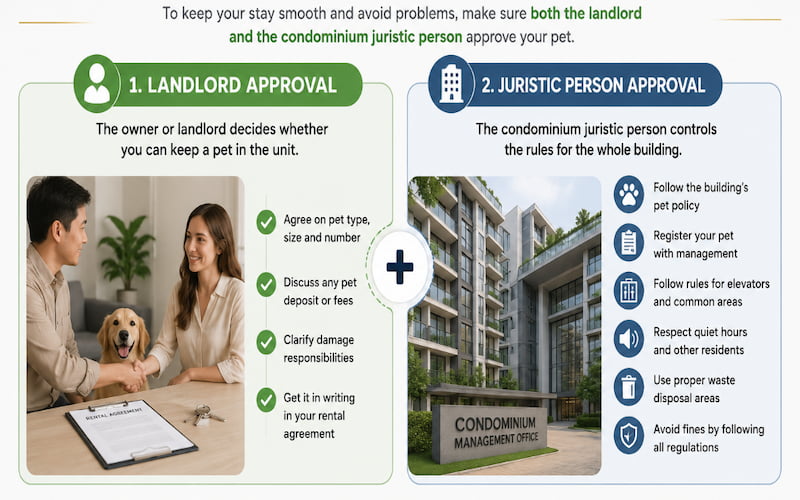
A landlord generally cannot override a building-wide prohibition. Even when the owner says a pet is acceptable, management may still refuse permission if the animal breaches the condominium rules.
Tenants should obtain both approvals in writing before paying a reservation fee or security deposit.
Common Pet Restrictions in Pattaya Condos
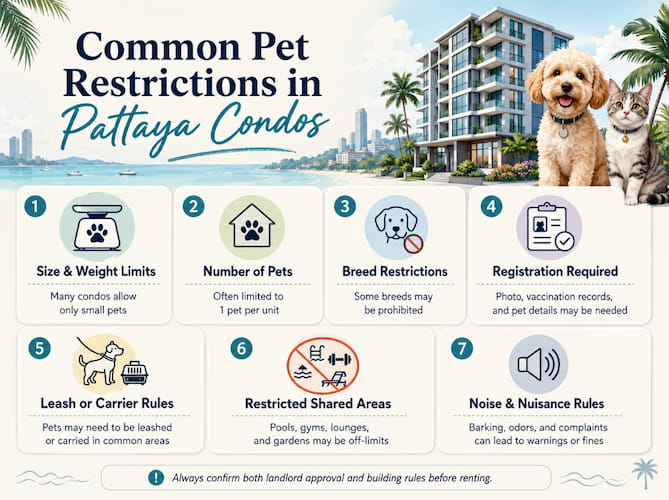
Pet rules differ between developments, but several restrictions appear regularly.
Size and weight limits
Some buildings allow only small pets. A limit of around 10 kilograms is mentioned frequently in Pattaya property guides, although it is not a universal rule and should never be assumed without written confirmation.
Tenants with puppies should also ask whether approval is based on the animal’s current weight or expected adult weight.
Number of animals
Some condos allow only one pet per unit. Approval for one animal does not automatically cover a second pet added later.
The lease should identify the exact number and type of animals permitted.
Breed restrictions
Certain developments impose additional controls or bans on breeds they consider powerful or difficult to manage. Examples mentioned in commercial property guides include pit bull-type dogs, Rottweilers, Dobermans, Bull Terriers, and Akitas.
Tenants should request the building’s current restricted-breed list rather than relying on an agent’s description.
Registration and health records
The juristic office may request:
- A photograph of the pet
- Vaccination records
- Breed and weight information
- A veterinary health certificate
- Owner contact details
- Proof of sterilization
- A signed acknowledgment of the pet rules
Shared-area restrictions
Even in a pet-friendly development, animals may be prohibited from:
- Swimming pools
- Fitness centers
- Children’s areas
- Restaurants
- Shared lounges
- Rooftop facilities
- Landscaped gardens
Dogs may need to remain on a leash, while cats and small dogs may need to be transported in carriers. Some buildings require pet owners to use a service elevator or designated entrance.
Best Areas in Pattaya for Pet Owners
The right location depends on the pet’s size, exercise needs, the tenant’s lifestyle, and the type of property available.
Jomtien
Jomtien is often a practical starting point for pet-owning tenants because it has a large rental market, a more residential atmosphere than Central Pattaya, and access to a long beachfront.
It may suit tenants looking for:
- A quieter coastal environment
- Beachfront walking routes
- A wide selection of condo sizes
- Restaurants and everyday services
- Convenient transport into central Pattaya
However, Jomtien contains many high-rise developments with their own strict rules. Living near the beach does not mean the building itself accepts animals.
Pratumnak Hill
Pratumnak Hill offers a quieter residential setting between Pattaya and Jomtien. It contains a mixture of low-rise residences, boutique condos, and larger developments.
Potential advantages include:
- Less nightlife than Central Pattaya
- Access to coastal walking areas
- A more residential atmosphere
- Convenient access to Jomtien and the city center
Tenants should inspect the surrounding roads carefully. Steep streets, traffic, limited pavements, and stray animals may affect the suitability of daily walks.
Wongamat and Naklua
Wongamat and Naklua may appeal to tenants seeking premium beachfront living and a quieter environment in northern Pattaya.
These areas offer modern condominiums and convenient access to restaurants and services. However, premium buildings may have strict rules, and owners may be more cautious when units contain expensive furniture or high-quality flooring.
Small, quiet pets may be easier to place than large dogs in this part of the city.
Central Pattaya
Central Pattaya provides excellent access to shopping, hospitals, restaurants, nightlife, and public transportation. It can work for indoor cats or smaller, low-energy dogs.
Possible drawbacks include:
- Heavy traffic
- Crowded streets
- Limited green space
- Busy elevators
- Smaller condo layouts
- Higher noise levels
- Strict high-rise regulations
Tenants with active dogs may find daily exercise more difficult than in quieter residential areas.
East Pattaya
East Pattaya is often more suitable for larger dogs, multiple animals, or tenants who need outdoor space.
The area offers more:
- Detached houses
- Villas
- Gated communities
- Private gardens
- Larger living areas
- Quiet residential streets
Pattaya rental agencies generally describe houses as easier to secure for larger dogs and multiple pets because they involve fewer shared-building restrictions.
The main disadvantage is transportation. Many parts of East Pattaya are more convenient for tenants with a car or motorbike.
Housing estates may still impose community rules, so tenants should check those before signing.
Na Jomtien and Bang Saray
Na Jomtien and Bang Saray offer lower-density living outside central Pattaya.
These locations may suit tenants who prioritize:
- More open space
- A quieter atmosphere
- Larger properties
- Less congestion
- Access to beaches
They can work well for remote workers, retirees, and tenants who do not need to travel into the city center every day.
Access to public transport, veterinarians, pet shops, and grooming services should be checked before choosing a property.
Condo or House: Which Is Better for Pets?
A condo is generally more convenient, while a house is usually more flexible.
| Consideration | Condo | House or Villa |
| Security | Usually included | Depends on the property |
| Central location | More common | Less common |
| Shared facilities | Often available | Less common |
| Pet rules | Usually stricter | Usually more flexible |
| Outdoor space | Limited | Garden may be available |
| Large dogs | Harder to accommodate | Usually more suitable |
| Multiple pets | Often restricted | More likely to be accepted |
| Maintenance | Usually simpler | May require more work |
| Private transport | Not always necessary | Often useful |
A condo may be appropriate for a small, quiet animal accustomed to elevators and shared spaces.
A house may be better for a large dog, several pets, or an animal requiring regular outdoor activity. However, tenants should inspect fences, gates, drainage gaps, swimming pools, and plants before assuming a garden is safe.
How to Improve Your Chances of Approval
Tenants should provide complete information about the pet at the beginning of the search.
Useful details include:
- Type of animal
- Breed
- Age
- Current and expected weight
- Number of pets
- Vaccination status
- Sterilization status
- House-training
- Behavior around people and animals
- Previous condo experience
- Intended lease length
Hiding the pet may produce more viewing options initially, but it can lead to complaints, lease violations, deposit disputes, or a demand to remove the animal.
Create a pet profile
A short pet profile can make an application more credible. It may include:
- A clear photograph
- Name, breed, age, and weight
- Vaccination information
- A short behavior description
- Previous landlord references
- A normal exercise routine
- Confirmation that the animal is house-trained
- Willingness to arrange professional cleaning
For example:
Milo is a four-year-old, seven-kilogram neutered dog. He is vaccinated, house-trained, accustomed to elevators, and has lived in a condominium for two years without complaints.
This gives the landlord enough information to evaluate the actual animal rather than making a decision based on general concerns about pets.
Pet Deposits and Rental Costs
A pet-friendly landlord may request an additional deposit to cover possible damage, cleaning, odors, or pest treatment.
Possible arrangements include:
- A higher general security deposit
- A separate refundable pet deposit
- Professional cleaning at move-out
- Upholstery or mattress cleaning
- Pest treatment where necessary
- Payment for documented pet-related damage
Some commercial Pattaya guides report additional pet deposits ranging from approximately THB 5,000 to THB 20,000, but this is not an official fixed amount and individual landlords may apply different conditions.
Before paying, tenants should ask:
- Is the payment refundable?
- What can be deducted?
- Is professional cleaning mandatory?
- Does the payment cover all pet damage?
- Will an itemized receipt be provided?
- When will the deposit be returned?
The lease should clearly distinguish normal wear and tear from pet-related damage.
What Should the Pet Clause Include?
Pet permission should appear in the tenancy agreement rather than exist only in messages or conversation.
A useful pet clause should record:
- Type of animal
- Breed
- Approximate weight
- Number of animals
- Landlord approval
- Building approval
- Additional deposit
- Cleaning obligations
- Responsibility for damage
- Noise and nuisance requirements
- Rules concerning common areas
- Procedure for complaints
- Whether replacement or additional pets need approval
A simple clause might state:
The landlord permits the tenant to keep one vaccinated domestic dog of approximately seven kilograms in the unit, subject to the condominium regulations. The tenant is responsible for documented damage or additional cleaning directly caused by the animal.
Tenants should ensure that any Thai- and English-language versions of the lease communicate the same conditions.
What to Check During a Viewing
A building may permit animals but still be unsuitable for the tenant’s particular pet.
Inside the unit
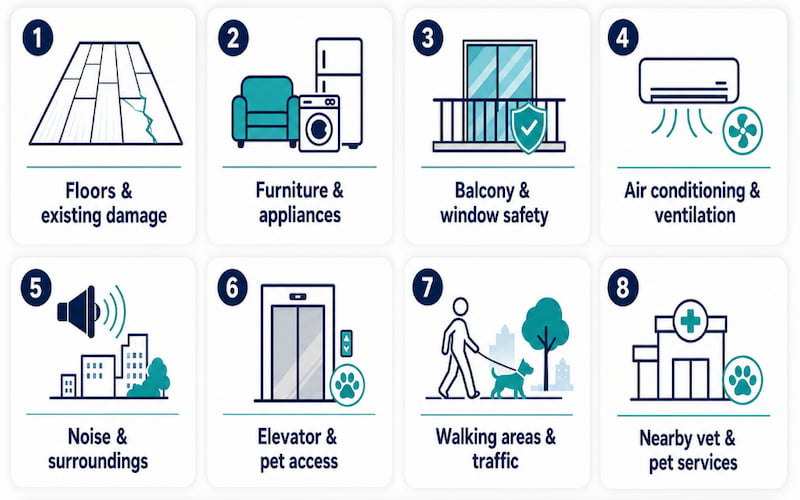
Inspect:
- Flooring for scratch risk
- Existing stains and damage
- Upholstered furniture
- Balcony railings and gaps
- Window screens
- Ventilation
- Air-conditioning
- Sound insulation
- Space for litter trays or pet beds
- Distance from the unit to the elevator
A balcony should not be considered safe simply because it is enclosed. Small animals may fit through railings, while exposed surfaces can become extremely hot during the day.
Around the building
Check:
- Permitted pet entrances
- Elevator rules
- Nearby walking routes
- Traffic levels
- Lighting at night
- Shade during daytime walks
- Waste-disposal areas
- Stray animals
- Distance to a veterinarian
- Access to grooming and pet supplies
The most suitable property is not merely one that accepts pets. It should also provide a practical daily environment for the animal.
Move-In Inspection and Documentation
Pet owners should document the condition of the property carefully before moving in.
Photograph or record:
- Floors
- Doors and frames
- Walls
- Curtains
- Sofas
- Mattresses
- Cabinets
- Balcony areas
- Appliances
- Existing scratches
- Existing stains
- Utility-meter readings
Prepare a signed inventory and send dated photographs to the landlord or agent.
This protects the tenant from being charged later for damage that existed before the pet entered the property. It also helps distinguish ordinary wear from scratches, stains, or odors caused during the tenancy.
Utilities and Additional Expenses
Tenants should confirm which expenses are included in the advertised rent.
Possible extra costs include:
- Electricity
- Water
- Internet
- Parking
- Cleaning
- Pest treatment
- Air-conditioning servicing
- Pet registration
- Common-area charges
Thailand introduced updated controls for qualifying residential leasing businesses in 2025, including standard contract requirements and protections concerning utility charges. The rules do not necessarily apply identically to every private landlord, so tenants should review the contract rather than assume the same protections cover every rental.
Receipts should be obtained for rent, deposits, pet payments, and other significant charges.
Bringing a Pet to Pattaya From Overseas
Tenants relocating from another country should arrange the pet’s import requirements before traveling.
Thailand treats live animals as restricted imports. Official guidance states that pet owners must obtain permission from the Department of Livestock Development and provide documents such as a passport and the animal’s original health certificate. The pet and supporting documents must be presented to animal quarantine officials on arrival. Customs procedures may also apply.
Because import and health requirements can change, travelers should verify the latest procedures with the Department of Livestock Development before booking transport.
Import approval and condo approval are separate matters. Successfully bringing a pet into Thailand does not mean that a landlord or condominium must accept it.
Common Mistakes to Avoid
Pet-owning tenants should avoid:
- Relying only on the listing description
- Accepting verbal permission
- Failing to contact the juristic office
- Hiding the pet from the landlord
- Assuming a small animal is automatically allowed
- Paying before reading the building rules
- Failing to include the pet in the lease
- Agreeing to an unclear non-refundable fee
- Skipping the move-in inspection
- Ignoring noise or cleanliness complaints
- Bringing in a second pet without permission
- Choosing a unit with unsafe balconies or poor outdoor access
Another common mistake is focusing only on rent. A slightly cheaper condo may become impractical when there is no safe walking route, veterinary care is far away, or management makes daily movement through the building difficult.
Final Checklist Before Signing
Before renting a pet-friendly condo in Pattaya, confirm the following:
- The landlord accepts the exact pet
- The juristic person has approved it
- The building rules are current
- Weight and breed restrictions are satisfied
- The number of pets is permitted
- Written approval has been obtained
- The pet is identified in the lease
- Deposits and deductions are explained
- Common-area rules are understood
- The unit has been inspected for pet safety
- Existing damage has been documented
- Utility responsibilities are clear
- Nearby walking areas are suitable
- A veterinarian is reasonably accessible
- All payments will be supported by receipts
Conclusion
Finding the right pet-friendly condo in Pattaya requires more than checking a rental listing. Tenants should confirm approval from both the landlord and the condominium juristic person, review pet restrictions carefully, and make sure the unit, location, and lease terms are suitable for their animal’s daily needs.
For those considering, exploring Pattaya Condos for Rent may provide substantial control over pet ownership and property selection. Pattaya Prestige Properties can help buyers and tenants identify suitable Pattaya properties while clarifying building rules, location options, and ownership considerations.