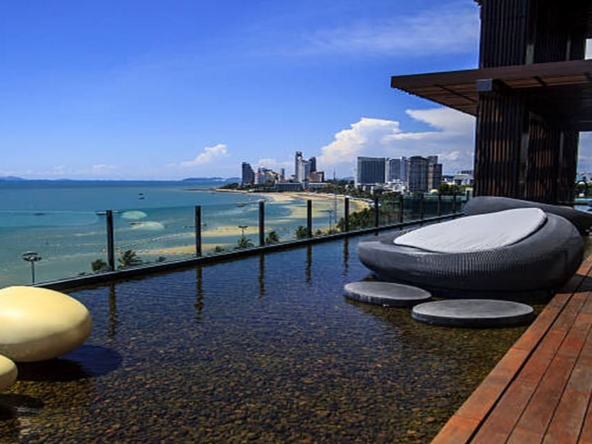

As 2024 unfolds, Thailand’s real estate market continues to show impressive resilience, making it a prime location for property investors. Whether you’re eyeing a luxurious Pattaya real estate investment or exploring the broader market, understanding the current trends and future predictions is crucial for success.
In this article, we’ll dive into the state of Thailand’s real estate market for 2024 and 2025, providing actionable insights for investors, property owners, and anyone interested in purchasing property in Thailand. With economic growth, changes in property laws, and the rising interest in foreign ownership, Thailand’s real estate market is set for exciting developments.
Overview of Thailand’s Real Estate Market
Economic Recovery and Growth in 2024
Thailand’s economic rebound after the pandemic has significantly impacted the real estate market. The real estate sector has witnessed a steady increase in demand for both residential and commercial properties. Some key drivers include:

- Tourism recovery: Thailand’s tourism sector has bounced back, with international arrivals soaring post-pandemic. This has translated into strong demand for holiday homes and short-term rental properties.
- Government initiatives: Several government policies aimed at attracting foreign investors, such as property ownership laws for foreigners and tax incentives, have fueled the demand for Pattaya real estate and other major tourist hubs.
- Rising incomes: As the middle class expands, more Thais are entering the property market, contributing to increased demand for affordable housing.
- Infrastructure development: Major infrastructure projects, including the Eastern Economic Corridor (EEC), high-speed rail lines connecting major cities, and airport expansions, are driving development and attracting investment in key locations. This improved connectivity and accessibility are boosting property values in these areas.
Trends in Thailand’s Real Estate Market in 2024-2025
The next few years will be pivotal for the Thailand property market. Here are some key trends to keep an eye on:
- Increased Foreign Investment: Foreign ownership of Thai property is expected to grow, especially in popular destinations like Pattaya, Phuket, and Bangkok.Legal reforms, such as potential changes to land ownership laws and the introduction of long-term visas for investors, are making it easier and more attractive for foreign buyers to invest in Thai real estate.
- Rise of Smart Homes: With technology becoming more integrated into daily life, smart homes are becoming a hot commodity. Investors are looking for properties that offer tech-driven amenities such as security systems, automated lighting, and smart thermostats.
- Sustainability in Real Estate: Green buildings and sustainable development are becoming important selling points. Developers are focusing on eco-friendly designs, reducing energy consumption, and offering green certifications to appeal to environmentally-conscious buyers.
- Demand for Branded Residences: Branded residences, managed by reputable hotel chains, are gaining popularity, offering a combination of luxury living, hotel-style services, and strong rental potential. These developments attract both investors and end-users seeking a hassle-free ownership experience and access to premium amenities.
Trends in Thailand’s Real Estate Market in 2024-2025
The next few years will be pivotal for the Thailand property market. Here are some key trends to keep an eye on:
- Increased Foreign Investment: Foreign ownership of Thai property is expected to grow, especially in popular destinations like Pattaya, Phuket, and Bangkok. Legal reforms, such as potential changes to land ownership laws and the introduction of long-term visas for investors, are making it easier and more attractive for foreign buyers to invest in Thai real estate.
- Rise of Smart Homes: With technology becoming more integrated into daily life, smart homes are becoming a hot commodity. Investors are looking for properties that offer tech-driven amenities such as security systems, automated lighting, and smart thermostats.
- Sustainability in Real Estate: Green buildings and sustainable development are becoming important selling points. Developers are focusing on eco-friendly designs, reducing energy consumption, and offering green certifications to appeal to environmentally-conscious buyers.
- Demand for Branded Residences: Branded residences, managed by reputable hotel chains, are gaining popularity, offering a combination of luxury living, hotel-style services, and strong rental potential. These developments attract both investors and end-users seeking a hassle-free ownership experience and access to premium amenities
Why Pattaya Real Estate?
Pattaya continues to stand out as one of Thailand’s most lucrative real estate markets. Known for its vibrant nightlife and beautiful beaches, it attracts millions of tourists each year. But it’s not just vacationers who are interested in Pattaya – real estate investors are seeing substantial returns here too.
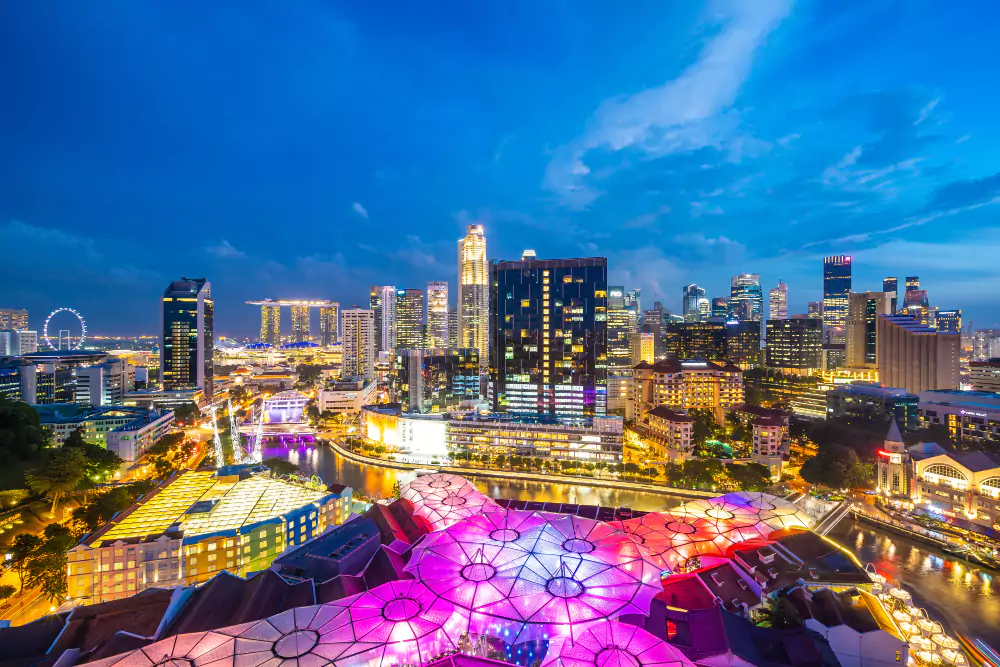
Key Factors Driving Pattaya Real Estate Demand
- Proximity to Bangkok: Pattaya’s location just 2 hours from Bangkok makes it an attractive option for both domestic and international buyers.
- Foreign-Friendly: Pattaya is one of the best places in Thailand for foreign property ownership. Condos are the most popular investment choice for foreigners in Pattaya due to relaxed ownership laws.
- Tourism Infrastructure: With ongoing infrastructure developments like the U-Tapao Airport expansion and a new high-speed rail link to Bangkok, Pattaya’s real estate market is set for continued growth.
- Affordable Luxury: Pattaya offers a wide range of luxury condo options at more affordable prices compared to other popular destinations like Phuket, making it an attractive option for buyers seeking value for money.
Pattaya Real Estate Investment Opportunities
- Condominium Developments: With a strong rental market driven by tourism, luxury condominiums in Pattaya are a solid investment. They offer good returns, especially in prime locations like Jomtien, Pratumnak and Naklua.
- Holiday Homes and Villas: As Pattaya grows in popularity, many investors are opting for holiday homes that can be rented out to tourists.
- Commercial Properties: The increasing number of businesses setting up shop in Pattaya has led to a surge in demand for commercial real estate. Retail spaces and office buildings near key tourist spots offer lucrative investment potential.
Understanding Foreign Ownership in Thailand’s Real Estate
Foreign buyers have been increasingly interested in Thailand’s real estate market, but there are specific regulations regarding foreign ownership.
What You Need to Know About Foreign Ownership Laws
Foreigners can own up to 49% of the total unit space in a condominium development. However, land ownership is generally not allowed, which means foreigners need to explore other ways to invest in land (e.g., through Thai companies or long-term leases).
Strategies for Foreigners to Invest in Thai Property
- Condominium Ownership: As mentioned, owning a condo is the easiest and most straightforward way for foreigners to invest in Thailand’s real estate market.
- Leasehold: Foreigners can lease land on a long-term basis (up to 30 years with an option to extend). This is a common strategy for those looking to invest in landed properties.
- Company Ownership: Setting up a Thai company can enable foreign investors to own land, though this option requires professional legal assistance.
Practical Tips for Real Estate Investors in Thailand
Whether you are looking at Pattaya real estate or other areas in Thailand, here are some actionable tips for making successful investments:
- Do Your Due Diligence: Always research the developer’s background and reputation. Look for projects that have a proven track record.
- Understand the Legal Framework: Make sure you fully understand Thai property laws, particularly when it comes to foreign ownership. Consult with a legal expert to avoid potential issues.
- Location is Key: Focus on properties in popular tourist destinations or fast-growing urban centers. Locations like Pattaya and Bangkok offer consistent demand for both long-term and short-term rentals.
- Diversify Your Portfolio: Invest in different types of properties – from condos to commercial spaces – to spread out your risk and increase your chances of high returns.
- Factor in Costs: Be aware of all associated costs, including transfer fees, taxes (withholding tax, SBT, stamp duty), and ongoing maintenance fees, which can range between 2–6% of the property value.
Conclusion
The Thai real estate market is poised for strong growth in the coming years, with key cities like Pattaya offering exciting opportunities for foreign and domestic investors alike. By staying ahead of trends such as sustainability, smart homes, and increased foreign investment, you can capitalize on the booming property market.
For those interested in Pattaya real estate, understanding the local market dynamics and foreign ownership laws is essential. With the right knowledge and strategy, Thailand’s real estate market offers exceptional investment opportunities in 2024 and 2025.
To navigate these opportunities effectively and ensure a successful investment in Pattaya, consider reaching out to Pattaya Prestige Properties, where our expert team can provide you with valuable insights and personalized support tailored to your investment goals.
Frequently Asked Questions
1. What are the best areas to invest in Thailand real estate in 2024?
Popular investment locations include Pattaya, Phuket, Bangkok, and Chiang Mai, as they all offer strong demand for rentals and a variety of property types. Pattaya, in particular, has seen an uptick in foreign investment.
2. Can foreigners buy land in Thailand?
No, foreigners cannot own land directly in Thailand, but they can buy condos or lease land for extended periods. Setting up a Thai company is another option for land ownership.
3. What are the emerging trends in Thai real estate for 2025?
Some key trends include the rise of eco-friendly properties, smart homes, and a continued focus on luxury developments that cater to foreign buyers and wealthy investors.
4. What are the typical taxes and fees associated with buying property in Thailand?
Buying property in Thailand involves various taxes and fees, including transfer fees, withholding tax, special business tax, stamp duty, and lease registration fees (for leasehold properties). Consult a legal professional for specific tax implications and budgeting.
5. What are some potential risks to consider when investing in Thai real estate?
Buying property in Thailand involves various taxes and fees, including transfer fees, withholding tax, special business tax, stamp duty, and lease registration fees (for leasehold properties). Consult a legal professional for specific tax implications and budgeting.