Purchasing a condominium in Pattaya can be an attractive investment, whether the goal is generating rental income, securing a vacation property, or establishing a long-term residence in one of Thailand’s most popular coastal cities. However, many buyers focus primarily on the purchase price while overlooking the ongoing expenses associated with condo ownership. These recurring costs can have a significant impact on the overall affordability of a property and, in the case of investors, directly influence rental yields and long-term returns.
Condo ownership costs in Pattaya extend beyond the initial acquisition of a unit. Owners are typically responsible for monthly or annual maintenance fees, sinking fund contributions, utility expenses, insurance, repair costs, and various administrative charges. Understanding how these expenses are calculated and what they cover is essential for making informed purchasing decisions and avoiding unexpected financial obligations after the transaction has been completed.
This guide explains how condo maintenance fees work in Pattaya, what owners can expect to pay, what services are covered, and why these costs play a critical role in preserving property value and investment performance.
What Are Condo Maintenance Fees?
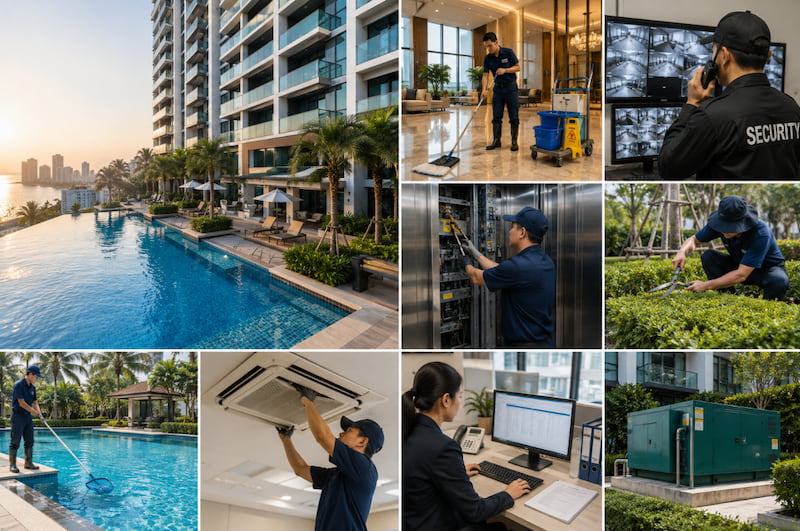
Condo maintenance fees, often referred to as common area maintenance fees, are recurring charges collected from all unit owners within a condominium development to cover the operation, maintenance, and management of shared facilities and common areas. These fees form the financial foundation that allows a condominium to function efficiently and maintain the standards expected by residents and prospective buyers.
Every condominium contains infrastructure and facilities that are collectively owned by all residents. While an individual owner is responsible for maintaining the interior of their unit, shared assets such as elevators, swimming pools, lobbies, parking facilities, gardens, and security systems require ongoing maintenance and professional management. Maintenance fees ensure that these common assets remain operational, safe, and visually appealing.
In Pattaya, maintenance fees are usually calculated based on the size of a unit and are commonly expressed as a cost per square meter. Depending on the development, owners may be required to pay monthly, quarterly, or annually. The funds collected are typically managed by the condominium’s juristic office, which oversees building operations and allocates resources toward maintenance, staffing, repairs, and facility management.
For property owners, maintenance fees should not be viewed merely as an additional expense. They represent an investment in the condition, functionality, and future value of the property. Well-maintained developments tend to attract higher-quality tenants, retain stronger resale values, and create a more desirable living environment for residents.
Why Condo Maintenance Fees Are Necessary
Maintenance fees exist because modern condominium developments rely on a wide range of shared services and facilities that require constant attention and funding. Without a structured maintenance budget, even newer buildings can quickly experience deterioration, leading to declining property values and increasing repair costs.
A condominium functions much like a small community. Shared infrastructure must be maintained regardless of whether a particular owner actively uses every facility. Elevators require routine servicing, security systems need continuous monitoring, and common areas must be cleaned and maintained to ensure a safe and pleasant environment. Landscaping, lighting, plumbing systems, fire safety equipment, and recreational amenities all contribute to the overall quality of the property and require ongoing investment.
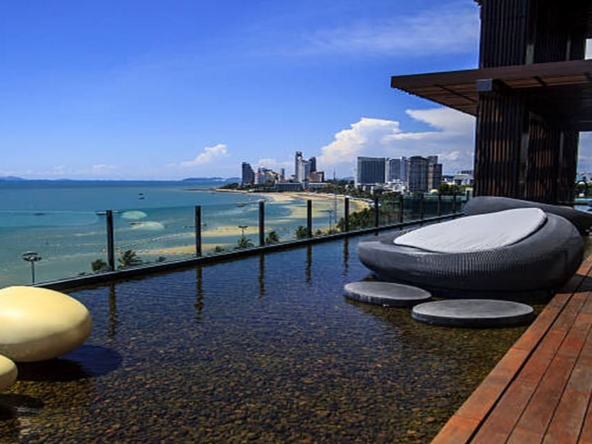
The importance of maintenance fees becomes even more apparent in Pattaya, where many developments offer resort-style amenities designed to attract both residents and tourists. Swimming pools, fitness centers, rooftop lounges, beachfront facilities, and landscaped gardens create additional operational demands that must be supported through maintenance contributions from owners.
When maintenance budgets are insufficient, buildings often begin to show signs of neglect. Common issues may include deteriorating common areas, malfunctioning equipment, reduced security standards, and delayed repairs. Over time, these problems can negatively affect resident satisfaction and reduce the attractiveness of the property to future buyers and tenants.
How Condo Maintenance Fees Are Calculated in Pattaya
Most condominiums in Pattaya calculate maintenance fees using a straightforward formula based on the size of the unit. The larger the unit, the higher the owner’s contribution toward maintaining the building and its shared facilities.
Standard Maintenance Fee Formula
| Unit Size | Fee Rate (THB/sqm/month) | Monthly Fee | Annual Fee |
| 35 sqm | 40 THB | 1,400 THB | 16,800 THB |
| 50 sqm | 50 THB | 2,500 THB | 30,000 THB |
| 75 sqm | 60 THB | 4,500 THB | 54,000 THB |
| 100 sqm | 80 THB | 8,000 THB | 96,000 THB |
While the calculation itself is simple, the fee rate can vary considerably from one development to another. Several factors influence how much a condominium charges its owners, including the age of the building, the quality of amenities, the size of common areas, staffing requirements, and the overall management strategy of the development.
Luxury projects typically command higher maintenance fees because they offer more extensive facilities and require larger operational budgets. Developments with multiple swimming pools, concierge services, advanced security systems, and premium recreational amenities generally incur higher maintenance costs than more basic residential projects.
Location can also influence fee structures. Beachfront condominiums often require additional maintenance due to exposure to salt air, humidity, and environmental conditions that can accelerate wear and tear on building materials and mechanical systems.
Typical Condo Maintenance Fee Ranges in Pattaya
Maintenance fee levels vary significantly across Pattaya’s condominium market, reflecting differences in property type, location, and amenity offerings. While exact figures differ between developments, most projects fall within identifiable market ranges.
| Property Category | Typical Fee Range (THB/sqm/month) | Characteristics |
| Budget Condominiums | 30–45 | Basic facilities, essential services |
| Mid-Range Condominiums | 45–70 | Pools, fitness centers, landscaped grounds |
| Luxury Condominiums | 70–150+ | Resort-style amenities, concierge services, premium facilities |
Budget developments generally focus on providing essential services such as security, elevators, parking facilities, and basic maintenance. Mid-range projects often include recreational amenities such as swimming pools and fitness centers, while luxury developments are designed to deliver a more comprehensive lifestyle experience.
Although higher maintenance fees may initially appear unattractive, they should be evaluated within the broader context of ownership value. A condominium that allocates sufficient resources toward maintenance and facility management may ultimately preserve property values more effectively than a lower-cost alternative that struggles to maintain its infrastructure over time.
For this reason, experienced investors often examine the overall condition of a development and the quality of its management rather than focusing solely on the monthly fee amount.
What Do Condo Maintenance Fees Cover?
Many first-time buyers are surprised to learn how many services and operational expenses are funded through maintenance fees. These contributions support virtually every aspect of building management and ensure that common facilities remain safe, functional, and attractive.
Security and Access Control
Security is one of the most important services funded by maintenance fees and often represents a significant portion of a condominium’s operating budget. Most developments employ security personnel who monitor entrances, patrol the property, manage visitor access, and respond to emergencies. In addition, many condominiums operate CCTV systems, electronic access controls, vehicle entry systems, and other technologies designed to enhance safety.
Strong security standards not only improve the quality of life for residents but also contribute to the marketability and reputation of the development.
Building Operations and Technical Maintenance
Modern condominium buildings depend on a complex network of mechanical, electrical, and plumbing systems that require routine inspection and servicing. Maintenance fees help fund the ongoing upkeep of elevators, water pumps, electrical systems, emergency generators, fire protection equipment, and other critical infrastructure.
Preventive maintenance is particularly important because it reduces the likelihood of costly breakdowns and helps extend the lifespan of major building components.
Cleaning and Housekeeping
The appearance of a condominium plays a significant role in resident satisfaction and property value. Regular cleaning ensures that lobbies, hallways, elevators, parking areas, and other shared spaces remain presentable and hygienic.
Professional housekeeping services also help create a positive first impression for visitors and prospective buyers, reinforcing the overall perception of quality within the development.
Recreational Facilities and Amenities
One of the major attractions of condominium living in Pattaya is access to lifestyle amenities that would often be prohibitively expensive for an individual homeowner to maintain independently. Swimming pools, fitness centers, rooftop terraces, saunas, coworking spaces, and landscaped gardens all require continuous management and upkeep.
Maintenance fees support staffing, cleaning, repairs, utility consumption, equipment servicing, and facility upgrades necessary to keep these amenities operational throughout the year.
Landscaping and Common Area Improvements
Landscaped environments contribute significantly to the visual appeal of a condominium development. Gardens, walkways, outdoor seating areas, decorative features, and lighting systems all require ongoing maintenance to preserve their appearance and functionality.
Well-maintained common areas enhance the resident experience and can positively influence rental demand and resale values.
Are Higher Condo Maintenance Fees Worth It?
One of the most common questions among property buyers is whether higher maintenance fees represent good value. While it may seem logical to prioritize developments with the lowest monthly charges, this approach does not always lead to the best long-term outcome.
Maintenance fees should be viewed as an investment in the health of a property rather than simply an operating expense. Buildings that maintain adequate funding levels are generally better equipped to perform preventive maintenance, address repairs promptly, and preserve the quality of their facilities. This proactive approach can reduce the likelihood of major issues developing in the future and help maintain the property’s competitiveness within the market.
Conversely, developments with unusually low maintenance fees may struggle to fund essential repairs and upgrades. Over time, deferred maintenance can lead to declining building conditions, dissatisfied residents, and reduced property values. In some cases, owners may eventually face substantial special assessments to cover repairs that could have been managed more effectively through proper budgeting.
A useful way to think about maintenance fees is to compare them to routine healthcare. Regular investment in preventive care often reduces the risk of larger problems developing later. Similarly, consistent maintenance spending helps protect a condominium’s physical condition and financial stability over the long term.
What Is a Condo Sinking Fund and Why Is It Important?
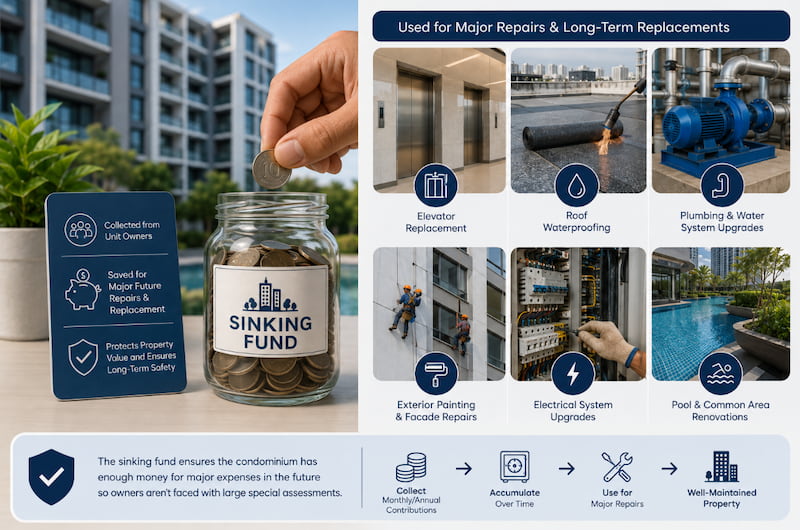
In addition to regular maintenance fees, most condominium developments in Pattaya require owners to contribute to a sinking fund. A sinking fund is a reserve account established to cover major capital expenditures that occur throughout the building’s lifecycle.
Unlike maintenance fees, which support day-to-day operations, sinking fund contributions are intended for large-scale projects that arise less frequently but require substantial financial resources. Examples may include elevator replacements, exterior repainting, roof renovations, structural repairs, waterproofing projects, and major upgrades to mechanical systems.
A sinking fund functions much like a long-term savings account for the building. By collecting contributions in advance, the condominium can accumulate reserves that can be used when major repairs become necessary. This approach reduces the risk of unexpected financial demands being placed on owners in the future.
The strength of a condominium’s sinking fund can often provide valuable insight into the quality of its financial management. Developments with healthy reserve funds are generally better positioned to maintain their infrastructure, protect property values, and avoid emergency assessments that can create financial stress for owners.
Hidden Condo Ownership Costs in Pattaya
Many buyers assume that maintenance fees represent the majority of ongoing ownership expenses, but this is rarely the case. The true cost of owning a condominium in Pattaya extends beyond common area fees and includes utilities, insurance, repairs, replacements, and occasional unexpected expenditures. While these costs may appear manageable on an individual basis, they can add up considerably over several years of ownership.
Electricity is often one of the largest recurring expenses because air-conditioning systems operate frequently throughout the year. Water charges are generally modest, but internet subscriptions, television services, and other household expenses should also be factored into the annual budget. Owners who rent out their units may experience higher utility consumption depending on tenant behavior and occupancy rates.
In addition to utilities, condominium owners should plan for routine repairs and replacements. Air conditioners require periodic servicing, appliances eventually reach the end of their useful life, and interior finishes may need refreshing to maintain the property’s appeal. Even a well-maintained unit will require occasional investment to preserve its condition and competitiveness within the rental and resale markets.
Insurance is another often-overlooked expense. Although common areas are typically covered by the condominium’s master insurance policy, this coverage does not necessarily protect personal belongings, interior improvements, or liability risks within an individual unit. As a result, many owners choose to obtain additional coverage for greater financial protection.
Legal and Administrative Costs for Condo Owners

The financial commitment associated with condominium ownership begins long before monthly maintenance fees become relevant. Buyers should also understand the legal and administrative costs that accompany the acquisition process.
Property transfers generally involve various fees and registration costs that must be settled before ownership can officially change hands. Depending on the nature of the transaction, these expenses may be shared between the buyer and seller according to the terms negotiated during the sale process. Although they are one-time costs, they can represent a meaningful addition to the overall purchase budget and should not be overlooked during financial planning.
Foreign buyers face additional considerations because condominium ownership in Thailand is regulated under specific legal frameworks. While foreigners are permitted to own condominium units, ownership must remain within the foreign ownership quota allocated to the building. Verifying quota availability early in the purchasing process can prevent complications later and ensure that the transaction proceeds smoothly.
Annual Condo Ownership Cost Examples
Looking at ownership expenses collectively provides a more realistic picture of what buyers can expect to spend each year. A condominium may appear affordable based on the purchase price alone, but recurring expenses can significantly influence the overall cost of ownership.
| Expense Category | 35 sqm Studio | 60 sqm Condo | 100 sqm Luxury Condo |
| Maintenance Fees | 16,800 THB | 36,000 THB | 96,000 THB |
| Utilities | 12,000 THB | 18,000 THB | 36,000 THB |
| Insurance | 2,000 THB | 3,000 THB | 6,000 THB |
| Repairs & Maintenance | 5,000 THB | 8,000 THB | 15,000 THB |
| Total Annual Cost | 35,800 THB | 65,000 THB | 153,000 THB |
These figures are illustrative rather than definitive, but they demonstrate how ownership costs rise alongside property size, amenity levels, and lifestyle expectations. Investors should incorporate these expenses into their financial projections when evaluating potential returns.
How Maintenance Fees Affect Rental Yield and Investment Returns
Maintenance fees are often viewed solely as an expense, but they can also contribute to investment performance when managed effectively. The relationship between maintenance spending and property value is often stronger than many buyers initially realize.
Well-maintained condominiums tend to attract more tenants, command stronger rental rates, and maintain a competitive position within the market. Clean common areas, functioning facilities, attractive landscaping, and professional management all contribute to the overall perception of quality. These factors influence not only rental demand but also the willingness of future buyers to pay a premium for units within the development.
On the other hand, properties that underinvest in maintenance frequently experience a gradual decline in attractiveness. Deferred repairs, aging facilities, and poorly maintained common areas can reduce tenant satisfaction and place downward pressure on both rental income and resale values. For this reason, experienced investors often assess the quality of management and financial planning just as carefully as they evaluate location and purchase price.
Common Mistakes Buyers Make When Evaluating Ownership Costs
One of the most common mistakes among first-time buyers is focusing almost exclusively on the purchase price while paying little attention to recurring expenses. A condominium that appears inexpensive initially may ultimately become more costly if maintenance standards are poor or if substantial repairs become necessary in the future.
Another frequent error is assuming that lower maintenance fees automatically represent better value. In reality, unusually low fees may indicate insufficient budgeting, deferred maintenance, or inadequate reserve funding. While lower monthly costs can be attractive, they should always be evaluated in relation to the overall condition and management quality of the building.
Buyers also sometimes underestimate the importance of reviewing the sinking fund and financial health of the condominium association. These factors provide valuable insight into how well the property is managed and whether future special assessments may become necessary.
Conclusion
Understanding condo maintenance fees and ownership costs is essential when evaluating Pattaya Condos for Sale. Beyond the purchase price, ongoing expenses such as maintenance fees, utilities, insurance, and future repairs can significantly influence the overall cost of ownership and long-term investment returns. Taking these costs into account allows buyers to make more informed decisions and avoid unexpected financial commitments.
When exploring Pattaya Condos for Sale, it is important to look beyond monthly fees and consider the quality of property management, building maintenance, and long-term value preservation. At Pattaya Prestige Properties, we help buyers identify condominium developments that offer the right balance of ownership costs, lifestyle benefits, and investment potential, ensuring greater confidence in every property purchase.
Frequently Asked Questions
How much are condo maintenance fees in Pattaya?
Maintenance fees generally range from around 30 THB to more than 150 THB per square meter per month, depending on the property’s age, facilities, location, and management standards.
Are maintenance fees included in the purchase price?
No. Maintenance fees are ongoing ownership expenses that are paid separately from the purchase price of the condominium.
What is the difference between a maintenance fee and a sinking fund?
Maintenance fees cover the day-to-day operation of the building, while a sinking fund is reserved for major repairs and long-term capital expenditures.
Do maintenance fees increase over time?
They can. As buildings age and operating costs rise, condominium associations may adjust fees to ensure sufficient funding for maintenance and repairs.
Are higher maintenance fees always a bad sign?
Not necessarily. Higher fees often reflect a broader range of facilities, better management standards, and stronger long-term maintenance planning.