Buying a condominium in Pattaya is more than choosing a property with an attractive view or convenient location. A thorough condo viewing is an essential part of the due diligence process that helps buyers identify potential structural defects, maintenance issues, legal concerns, and long-term investment risks before signing a purchase agreement. Whether you are purchasing a beachfront holiday home, a retirement residence, or an investment property, knowing what to inspect can help prevent expensive surprises after completion.
Pattaya remains one of Thailand’s most popular condominium markets thanks to its international appeal, diverse neighborhoods, strong tourism industry, and wide selection of freehold condominiums available to both Thai and foreign buyers. However, every building and every unit differs in quality, management, and long-term value. A systematic inspection helps buyers distinguish between cosmetic imperfections and serious issues that could affect safety, maintenance costs, rental demand, and future resale value.
This guide provides a comprehensive Pattaya condo viewing checklist, covering everything from preparing before your visit and inspecting the building structure to evaluating common facilities, building management, and location-specific considerations. By following this checklist, buyers can make more informed decisions and reduce the risk of purchasing a property that requires significant repairs or fails to meet their investment goals.
Why a Thorough Condo Viewing Is Important Before Buying
A condo viewing serves as one of the most effective forms of risk management during the purchasing process. While photographs and online listings highlight a property’s best features, they rarely reveal hidden problems such as water intrusion, deteriorating building systems, poor management, or environmental issues.
A careful inspection helps buyers:
- Identify structural or maintenance defects before purchase.
- Estimate future repair and renovation costs.
- Evaluate whether the asking price reflects the property’s true condition.
- Assess the quality of building management.
- Verify that the property matches personal lifestyle or investment objectives.
- Reduce the likelihood of costly legal or ownership complications.
For investors, the viewing also provides insight into rental appeal. Well-maintained buildings with attractive common facilities and responsive management often command higher occupancy rates and stronger long-term resale values than comparable properties that suffer from deferred maintenance.
Preparing Before the Condo Viewing
Preparation begins long before arriving at the property. Buyers who gather information in advance are better equipped to ask informed questions and recognize potential concerns during the inspection.
Research the Development
Before scheduling a viewing, research the condominium project itself. Determine when the building was completed, who developed it, whether major renovations have been undertaken, and what reputation the developer has within the local property market.
Useful information includes:
- Year of construction
- Total number of units
- Building height
- Developer reputation
- Previous renovation history
- Current occupancy levels
- Ownership mix (owner-occupied versus rental)
Older buildings are not necessarily poor investments, but they may require more extensive maintenance than recently completed developments.
Understand the Neighbourhood
Location remains one of the strongest influences on property value. During your research, examine both the immediate surroundings and future developments planned nearby.
Consider factors such as:
- Distance to the beach
- Access to public transportation
- Hospitals
- International schools
- Shopping centers
- Restaurants
- Convenience stores
- Road accessibility
- Planned infrastructure projects
Each Pattaya neighborhood offers a different lifestyle and investment profile. Central Pattaya attracts buyers seeking convenience and rental demand, while Wongamat and Pratumnak are generally associated with quieter residential environments and premium developments. Jomtien remains popular among retirees and long-term residents due to its relatively relaxed atmosphere.
Prepare Questions Before Arriving
Many buyers become distracted during a viewing and forget important questions. Preparing a written checklist beforehand ensures that critical information is collected consistently across multiple properties.
Questions may include:
- Why is the owner selling?
- How long has the property been on the market?
- What are the monthly common area fees?
- Are there any upcoming major repairs?
- Have there been previous water leaks?
- Is short-term rental permitted?
- What is included in the sale?
Exterior and Building Inspection Checklist
The condition of the building exterior often reflects the quality of long-term maintenance. A clean, well-maintained property suggests that the condominium juristic office and management team actively preserve the building’s value.
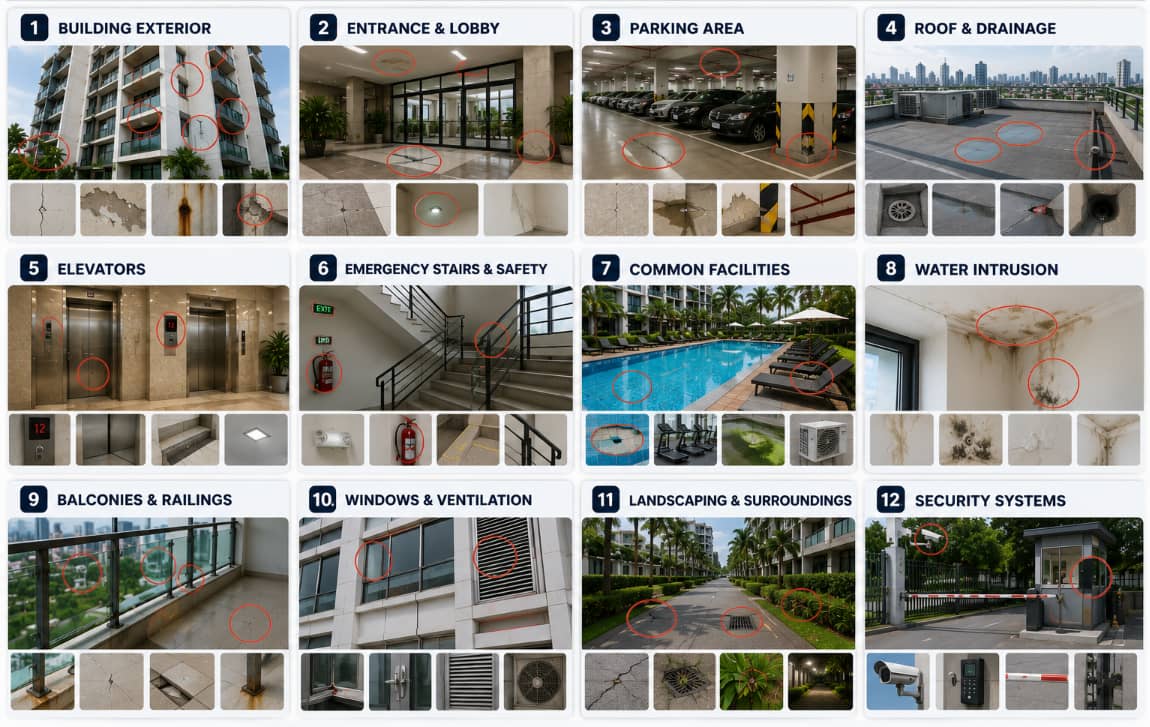
Inspect the Building Exterior
Begin by walking around the entire property.
Look carefully for:
- Cracked exterior walls
- Water stains
- Peeling paint
- Rust on exposed steel
- Concrete deterioration
- Damaged balconies
- Uneven settlement
- Signs of poor drainage
Minor cosmetic imperfections are common, particularly in older buildings. However, widespread structural deterioration or neglected maintenance may indicate larger underlying issues.
Check the Roof and Drainage (Where Accessible)
Although buyers rarely have direct access to rooftop areas, it is still worthwhile to ask about:
- Roof maintenance schedules
- Waterproofing history
- Rainwater drainage systems
- Previous flooding incidents
Pattaya experiences heavy seasonal rainfall, making effective drainage an important consideration for long-term building durability.
Observe Parking Areas
Parking facilities often reveal how well a building is managed.
Inspect for:
- Standing water
- Oil stains
- Adequate lighting
- Security cameras
- Ventilation
- Reserved visitor parking
- Cleanliness
A neglected parking garage frequently reflects broader maintenance issues throughout the development.
Inspecting the Condo Unit
Once inside the unit, inspect every room systematically instead of moving randomly through the property.
A practical approach is to inspect from ceiling to floor before testing mechanical systems.
Walls and Ceilings
Inspect walls and ceilings under natural light whenever possible.
Watch for:
- Hairline cracks
- Large structural cracks
- Water stains
- Mold growth
- Bubbling paint
- Uneven plaster
- Ceiling discoloration
Hairline settlement cracks are generally cosmetic, while wider cracks or recurring water stains deserve further investigation.
Flooring
Walk slowly throughout the condominium.
Pay attention to:
- Hollow tiles
- Uneven flooring
- Loose laminate
- Damaged hardwood
- Cracked ceramic tiles
- Water damage
Hollow sounds beneath tiles may indicate poor installation or future repair requirements.
Windows and Balcony Doors
Windows should operate smoothly and seal properly.
Inspect:
- Lock mechanisms
- Sliding tracks
- Window seals
- Glass condition
- Water leakage around frames
- Rust on balcony railings
Because Pattaya’s coastal environment exposes buildings to humid, salt-laden air, balcony railings and metal fixtures often deteriorate faster than inland properties.
Plumbing and Water Systems
Water-related issues are among the most expensive problems to repair after purchase.
Test every available fixture, including:
- Kitchen sink
- Bathroom sink
- Shower
- Toilet
- Hot water system
Observe:
- Water pressure
- Drainage speed
- Pipe leaks
- Unusual odors
- Water discoloration
Allow water to run for several minutes, as some drainage problems only become apparent after continuous use.
Electrical System
Electrical systems should be tested rather than assumed to be functional.
Check:
- Every light switch
- Power outlets
- Air conditioning controls
- Water heater
- Exhaust fans
- Kitchen appliances
- Circuit breaker panel
If available, ask whether the electrical system has undergone recent upgrades or inspections.
Air Conditioning
Air conditioning operates throughout most of the year in Pattaya, making its condition particularly important.
Run every unit for at least 10–15 minutes.
Observe:
- Cooling efficiency
- Noise levels
- Water leakage
- Condensation
- Airflow
- Odors
A musty smell may indicate mold growth inside the system or inadequate maintenance.
Building Facilities and Property Management
The quality of common facilities significantly influences both lifestyle and long-term property values. Buyers should evaluate these shared spaces with the same attention given to the individual unit.
Lobby and Reception
The entrance creates the first impression of building management standards.
Assess:
- Cleanliness
- Lighting
- Security presence
- Reception staff
- Visitor procedures
- Overall maintenance
A professionally maintained lobby often reflects proactive management throughout the property.
Swimming Pool and Fitness Center
Inspect recreational facilities for cleanliness, maintenance, and usability.
Pay attention to:
- Pool water quality
- Tile condition
- Fitness equipment maintenance
- Ventilation
- Safety signage
- Seating areas
- Landscaping
Poorly maintained amenities may discourage future tenants and reduce buyer interest during resale.
Elevators
Elevators are among the most heavily used systems within any condominium.
Check:
- Waiting times
- Interior cleanliness
- Operational noise
- Maintenance notices
- Emergency communication systems
Repeated service interruptions may inconvenience residents and indicate deferred maintenance.
Security Systems
Security contributes directly to resident confidence and property desirability.
Verify the presence of:
- CCTV cameras
- Keycard access
- Security guards
- Visitor registration
- Emergency exits
- Fire alarms
- Fire extinguishers
Buildings with modern security systems generally appeal to both owner-occupiers and rental tenants.
Pattaya-Specific Inspection Considerations
Although many inspection principles apply to condominiums worldwide, Pattaya presents several environmental and market conditions that buyers should evaluate carefully.
Coastal Corrosion and Humidity
Properties located close to the sea are exposed to salt-laden air throughout the year. Over time, this environment can accelerate corrosion of metal components such as balcony railings, window frames, outdoor air-conditioning units, and exposed fixtures.
When viewing a beachfront or near-beach condominium, inspect all exterior metalwork for signs of rust, deterioration, or previous repairs. Also pay attention to silicone seals around windows and balconies, as prolonged exposure to heat and humidity may reduce their effectiveness and allow moisture intrusion.
Visit at Different Times of Day
A condominium that appears peaceful during a weekday morning may feel entirely different on a weekend evening.
Whenever possible, visit the property:
- Early morning
- Afternoon
- Evening
- Weekend
- Public holidays
Doing so provides a clearer understanding of traffic congestion, nightlife activity, nearby construction, and overall neighborhood atmosphere.
Evaluate the Surrounding Environment
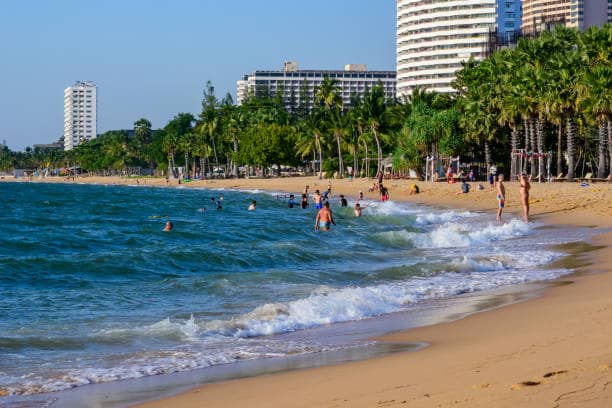
Finally, step outside the building and observe the surrounding area rather than focusing solely on the condominium itself.
Consider factors such as nearby entertainment venues, restaurants, ongoing construction projects, beach access, public transportation, street lighting, walkability, and overall cleanliness. These elements influence not only everyday living but also future rental demand and long-term capital appreciation.
A condominium with an excellent interior but a deteriorating surrounding environment may ultimately underperform compared with a slightly older property located in a well-maintained and highly desirable neighbourhood.
Legal and Financial Due Diligence Before Buying a Pattaya Condo
A successful condo viewing does not end after inspecting the physical condition of the property. Legal and financial due diligence is equally important because even a well-maintained condominium may present ownership complications, hidden liabilities, or unexpected costs. Before paying a reservation fee or signing a Sale and Purchase Agreement, buyers should verify that all legal documentation is complete and that the financial obligations associated with the property are fully understood.
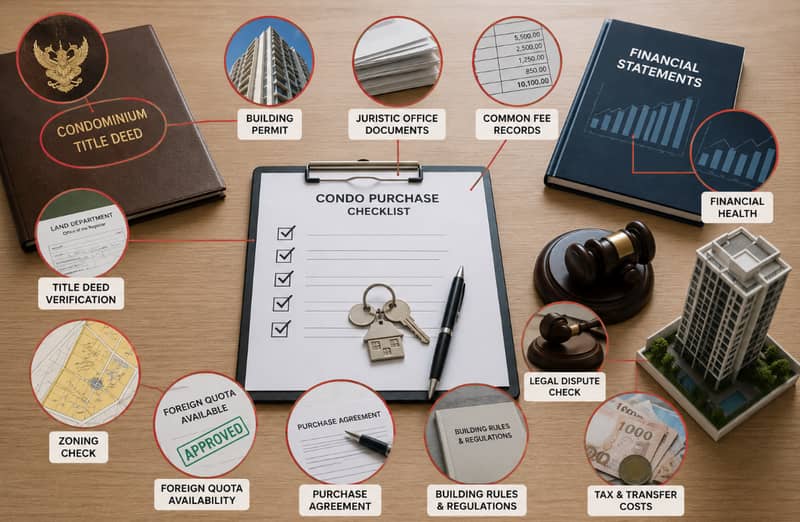
Verify Ownership Documents
The seller should be able to demonstrate legal ownership of the condominium. Buyers should request copies of the relevant documentation and, where appropriate, have them reviewed by an independent lawyer who specializes in Thai real estate.
The following documents should be verified:
- Chanote (Title Deed)
- Owner identification
- Sale and Purchase Agreement
- Reservation Agreement (if applicable)
- Building regulations
- Condominium bylaws
- Recent utility bills
- Evidence that common area fees have been paid
Foreign buyers should also confirm that the condominium unit qualifies under the building’s foreign ownership quota before proceeding. Under Thailand’s Condominium Act, foreign ownership is generally limited to 49% of the total saleable area within a condominium project. If the quota has already been filled, the transaction may not be eligible for freehold foreign ownership.
Understand the Monthly Ownership Costs
Many first-time buyers focus almost entirely on the purchase price while underestimating the recurring costs of ownership.
Ask the seller or juristic office about:
- Common area maintenance fees
- Sinking fund contributions
- Parking fees
- Utility rates
- Internet provider options
- Property insurance
- Planned special assessments
The cheapest condominium is not always the least expensive to own. Older buildings with low purchase prices may require higher maintenance fees or substantial future renovation costs.
Ask About Planned Building Improvements
A condominium may appear well maintained today but still require significant capital expenditure in the near future.
Questions worth asking include:
- Are elevators scheduled for replacement?
- Is exterior repainting planned?
- Has waterproofing recently been completed?
- Are there any pending legal disputes?
- Has the building experienced major flooding?
- Are reserve funds sufficient for future maintenance?
A transparent juristic office should be able to provide clear answers regarding ongoing maintenance planning.
Evaluating the Condo as an Investment
For investors, purchasing a condominium involves more than finding an attractive property. The goal is to identify an asset capable of generating stable rental income while appreciating in value over time. A viewing provides an opportunity to evaluate many of the factors that influence long-term investment performance.
Assess Rental Demand
Observe the surrounding neighborhood and ask about the building’s occupancy.
Indicators of strong rental demand include:
- Well-maintained common areas
- High owner occupancy
- Professional property management
- Convenient transportation
- Nearby shopping centres
- Restaurants and cafés
- Beach accessibility
- Good online reviews
Buildings that consistently attract long-term residents often demonstrate stronger rental resilience during changing market conditions.
Consider Future Appreciation
Property appreciation depends on much more than the condition of the individual unit.
Evaluate:
- Planned infrastructure projects
- New transport links
- Commercial developments
- Competing condominium supply
- Neighbourhood improvements
- Tourism growth
- Population trends
A slightly older condominium in a growing neighborhood may outperform a newer project located in an oversupplied market.
New Development vs. Resale Condo
| Factor | New Development | Resale Condo |
| Purchase Price | Usually higher | Often more negotiable |
| Immediate Availability | Sometimes under construction | Ready to move in |
| Warranty | Developer warranty available | Limited or expired |
| Actual Condition | Model units may differ | Visible during viewing |
| Rental History | Limited | Often available |
| Negotiation Potential | Lower | Typically higher |
Neither option is universally better. Buyers should compare condition, location, management quality, and total ownership costs rather than focusing solely on age.
Common Red Flags During a Condo Viewing
Recognizing warning signs during a viewing can save buyers from significant financial loss. While isolated cosmetic defects may be acceptable, repeated maintenance problems or legal uncertainties deserve careful investigation.
Structural Warning Signs
Look for:
- Large wall cracks
- Sloping floors
- Ceiling sagging
- Persistent water stains
- Mold growth
- Damaged balconies
- Concrete spalling
These issues may indicate structural movement or long-term water intrusion.
Maintenance Red Flags
Poor maintenance often becomes apparent long before speaking with the building management.
Examples include:
- Broken lighting
- Dirty hallways
- Poor landscaping
- Malfunctioning elevators
- Closed facilities
- Overflowing rubbish areas
- Damaged swimming pools
A neglected building exterior frequently reflects insufficient long-term maintenance planning.
Legal Red Flags
Exercise caution if:
- Ownership documents are incomplete.
- The seller refuses document verification.
- Outstanding maintenance fees exist.
- Transfer responsibilities remain unclear.
- Building permits cannot be confirmed.
- Multiple ownership disputes are reported.
Legal uncertainty should always be investigated before paying a deposit.
Environmental Red Flags
Observe the surroundings carefully.
Potential concerns include:
- Ongoing construction
- Flood-prone roads
- Excessive nightlife noise
- Poor street lighting
- Limited parking
- Persistent traffic congestion
These external factors may influence both quality of life and future resale value.
Questions Every Buyer Should Ask During the Viewing
A successful viewing combines careful observation with informed questioning.
Consider asking:
- Why is the owner selling?
- How long has the unit been vacant?
- How old are the air conditioners?
- Has the property ever experienced flooding?
- Have there been plumbing repairs?
- What does the common fee include?
- Is the sinking fund financially healthy?
- Are pets permitted?
- Are short-term rentals allowed?
- Have there been recent complaints from residents?
- Are there any planned major renovations?
- What furniture and appliances are included?
The answers often reveal information that cannot be identified through visual inspection alone.
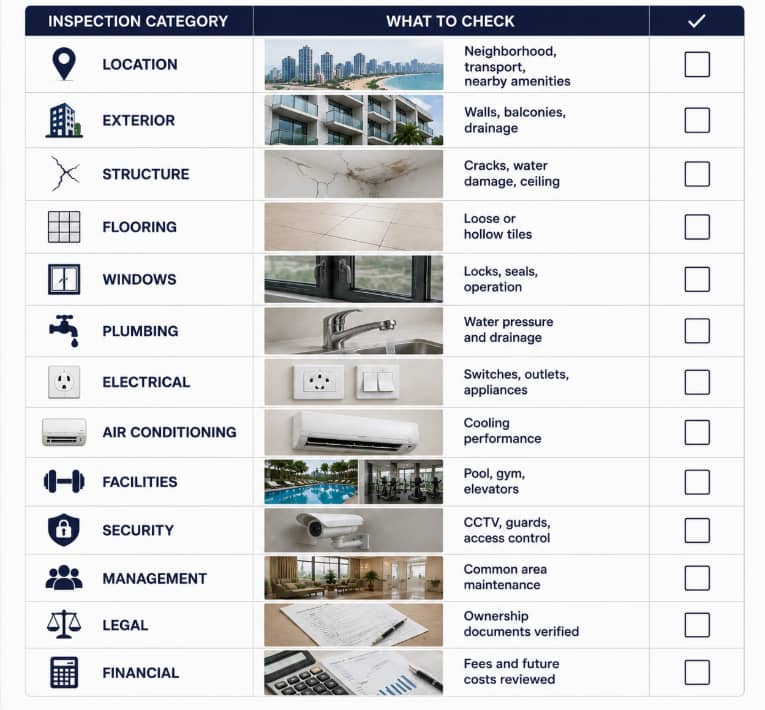
Pattaya Condo Viewing Checklist
Use the following checklist during every property viewing.
First-Time Buyer Mistakes to Avoid
Many purchasing mistakes occur because buyers become emotionally attached to a property before completing a thorough evaluation.
Common mistakes include:
- Inspecting only the interior unit.
- Visiting the property only once.
- Ignoring common facilities.
- Forgetting to test plumbing and electrical systems.
- Underestimating maintenance fees.
- Skipping legal verification.
- Failing to inspect during different times of day.
- Choosing solely based on sea views.
- Not comparing multiple developments.
- Rushing into signing a reservation agreement.
A disciplined inspection process helps separate emotional impressions from objective decision-making.
Final Thoughts
Buying a condominium is a significant investment, and a structured viewing checklist helps you make a more informed decision by identifying potential maintenance issues, verifying legal requirements, and assessing the property’s long-term value. Whether you are purchasing a home, holiday residence, or investment property, taking the time to inspect both the unit and the building can help you avoid costly surprises and choose with greater confidence.
If you’re exploring Pattaya Condos for Sale, working with an experienced local real estate agency can make the buying process even more straightforward. Pattaya Prestige Properties offers a carefully curated portfolio of condominiums across Pattaya’s most sought-after neighborhoods, along with expert local guidance to help you find a property that matches your lifestyle, budget, and investment goals.
Frequently Asked Questions
How long should a condo viewing take?
A comprehensive viewing generally takes 45 to 90 minutes, depending on the size of the property and whether common facilities are inspected.
Should I hire a professional property inspector?
Yes. Although many defects can be identified during a viewing, a professional inspection provides a more detailed assessment of structural, electrical, plumbing, and mechanical systems, particularly for higher-value purchases.
Is an older condominium always a poor investment?
No. Many older developments remain highly desirable because of their larger unit sizes, established locations, and mature communities. The overall condition of the building and the quality of management are often more important than its age.
How many properties should I view before buying?
Viewing multiple condominiums allows buyers to compare pricing, layouts, construction quality, facilities, and neighbourhood characteristics more objectively. Even if one property appears ideal, comparing several alternatives provides valuable market perspective.
Should I visit at different times?
Yes. Morning, afternoon, evening, and weekend visits reveal differences in traffic, parking availability, noise levels, and neighbourhood activity that may not be apparent during a single inspection.